Foreclosed properties have always been a focal point in the market. When their numbers rise, it is often seen as an indicator of economic downturns. According to the latest statistics, as of the end of October 2025, there were 458 foreclosed properties on the market, marking 10 consecutive months with over 400 listings.
A foreclosed property is one where the owner can no longer afford to pay the mortgage. In such cases, the bank or creditor has the right to repossess and sell the property. Banks typically auction or sell these properties to find new buyers and recover the outstanding debt.
A foreclosed property is one where the owner can no longer afford to pay the mortgage. In such cases, the bank or creditor has the right to repossess and sell the property. Banks typically auction or sell these properties to find new buyers and recover the outstanding debt.
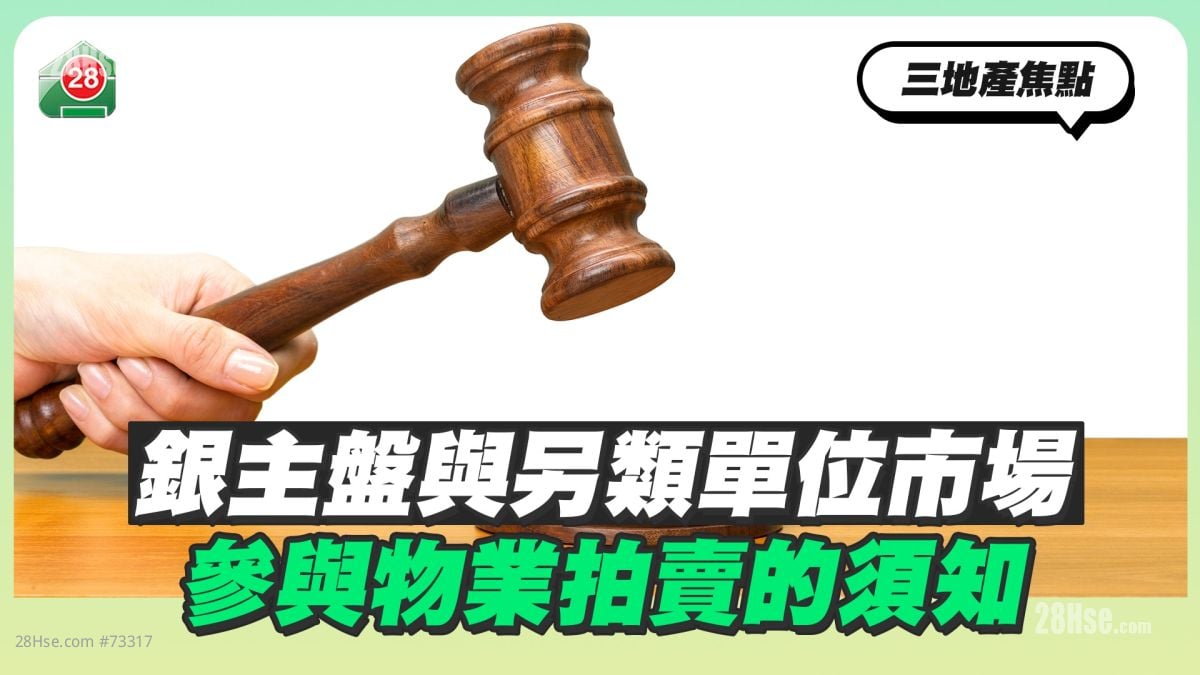
The process of auctioning a property begins when the owner provides the auction house with property details. The auction house conducts a valuation and title search. Once both parties have agreed on key details such as the reserve price, auction date, and completion date, the auction house begins marketing the property. This includes arranging viewings for potential buyers and preparing for the auction event.
Property auctions are conducted in an open bidding format. Each property starts with an opening bid, and the price increases with each bid until the highest bidder wins. The property owner and auction house agree on a reserve price before the auction. If the final bid does not meet the reserve price, the property remains unsold and may be listed for the next auction.
On auction day, interested buyers must attend the event in person. If successful, the buyer is required to immediately pay 10% of the purchase price as a deposit and sign a formal sale agreement. This deposit is typically paid via a bank draft or solicitor’s cheque. The buyer must then complete the remaining transaction, including any mortgage arrangements, within a specified period, usually 45 days.
After successfully bidding on a property, buyers must provide identification, such as a Hong Kong identity card or passport, to sign the sale agreement. For company bids, additional documents are required, including a business registration certificate, certificate of incorporation, annual return, board meeting minutes, company stamp, and proof of identity for the representative.
Unlike traditional property sales, auctions do not involve a provisional sale and purchase agreement. Once the auction agreement is signed, it is legally binding. Buyers must accept the property as-is and cannot dispute its title or terms. Therefore, it is crucial to carefully consider the property and conduct due diligence before bidding.
Buyers are also required to pay commission after a successful auction. Typically, this amounts to 1% of the purchase price as commission to the auction house. However, the final commission fee may vary depending on the auction house’s pricing structure and auction format, so it is advisable to confirm these details beforehand.